
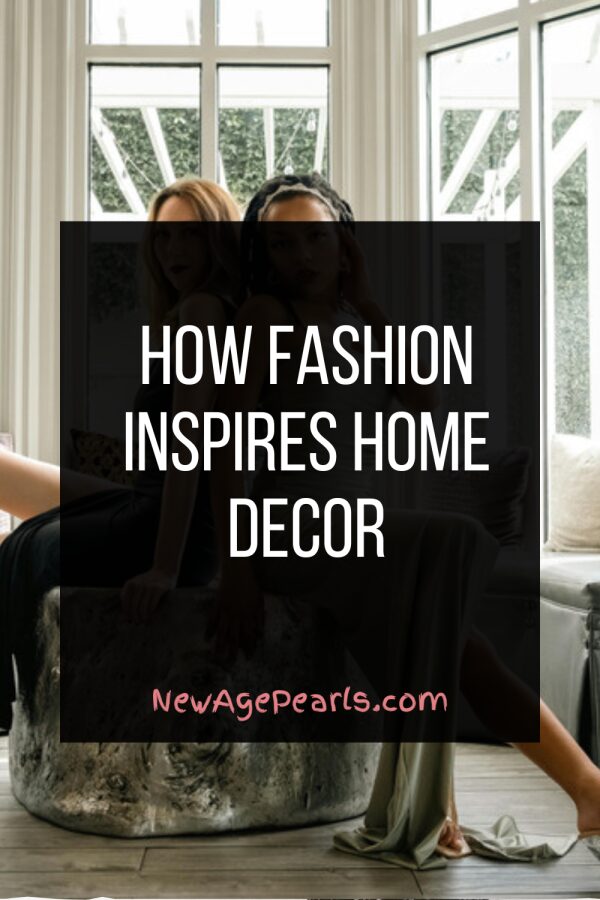
The connection between fashion and home decor didn’t click for me until I realized I was essentially using the same design principles in both. Once I started looking at them as part of the same aesthetic ecosystem, everything made so much more sense. Now I pull inspiration from both directions constantly, and it’s made both my wardrobe and my space more cohesive and interesting.
Texture mixing works the same way in both. That thing I do with my outfits—pairing a chunky knit sweater with sleek leather pants—translates directly to my home. A nubby linen sofa with a smooth velvet pillow, a rough jute rug under a glossy coffee table. It’s the same design principle: contrast in texture creates visual interest. Once I got good at texture mixing in one area, I could apply it to the other.
Color theory is universal. The color palettes that work in my closet work in my home. I built both around neutrals with strategic pops of color. When I wear all black with a camel coat, that’s the same visual impact as black furniture with warm wood accents. If you love wearing jewel tones, bring them into your decor. If you always reach for pastels, your space probably wants that softness too.
The concept of a “capsule” applies to both. A capsule wardrobe is versatile basics that all work together. That’s exactly what I did with my furniture—neutral, classic pieces that can be styled different ways. My sofa is like my perfect jeans—it goes with everything and never goes out of style. The throw pillows are like my accessories—easy to change and follow trends.
Proportions and silhouettes matter in both contexts. In fashion, you balance fitted with oversized—a structured blazer with relaxed pants. In decor, you do the same—a substantial sofa with delicate side tables, or a chunky coffee table with streamlined chairs. Once you develop an eye for proportions in one area, you see it in the other. Good proportions just look right, whether it’s an outfit or a room.
Pattern mixing follows the same rules. If you can mix stripes and florals in an outfit, you can mix a striped rug with patterned pillows. The rule is the same: vary the scale, keep the colors cohesive, and don’t go overboard. I learned pattern mixing through fashion and now I’m more confident doing it at home. They’re the same skill.
My favorite fashion trends inspire my decor choices. When oversized blazers were everywhere, I noticed I was drawn to more relaxed, oversized furniture shapes. When I got really into structured, tailored clothing, my decor became cleaner and more minimal. What I’m wearing influences what I want to be surrounded by. They’re both expressions of where my aesthetic is at the moment.
Conversely, my home inspires my wardrobe. After I decorated my bedroom in soft, warm neutrals, I found myself reaching for similar colors in my closet. My space made me crave that calm, cohesive feeling in what I wore too. Now my wardrobe and my bedroom have the same color palette, and getting dressed in that space feels so harmonious.
Accessories work the same way. The way I style a shelf—a few carefully chosen objects with plenty of breathing room—is exactly how I approach jewelry. I don’t pile it on. I choose a couple of pieces that work together and call it done. Or the way I layer necklaces is like how I layer pillows on my sofa. Same design thinking, different application.
Investment pieces exist in both worlds. Just like I invested in a quality leather jacket that I’ll wear for years, I invested in a quality sofa that will last decades. Both are classic, well-made, and versatile. Fast fashion and cheap furniture serve the same purpose—they’re trendy and temporary. The investment philosophy applies equally to both.
Styling vignettes is like styling an outfit. When I create a little moment on my coffee table—a stack of books, a candle, a small object—I’m thinking about it the way I think about an outfit. Does it have balance? Are there different heights and textures? Is there a focal point? The compositional thinking is identical.
Even maintenance overlaps. Taking care of nice clothes—proper washing, storage, repairs—is the same as maintaining nice furniture. I treat my leather jacket and my leather chair with the same care. I fold my linen shirts and fluff my linen pillows the same way. Quality things require quality care, whether you’re wearing them or sitting on them.
The biggest thing is recognizing that your aesthetic is your aesthetic. It shows up everywhere if you’re paying attention. My style isn’t just what I wear or how I decorate—it’s a coherent visual language that I speak across all parts of my life. Fashion and decor aren’t separate things; they’re different expressions of the same thing: you.
Leave a Reply