
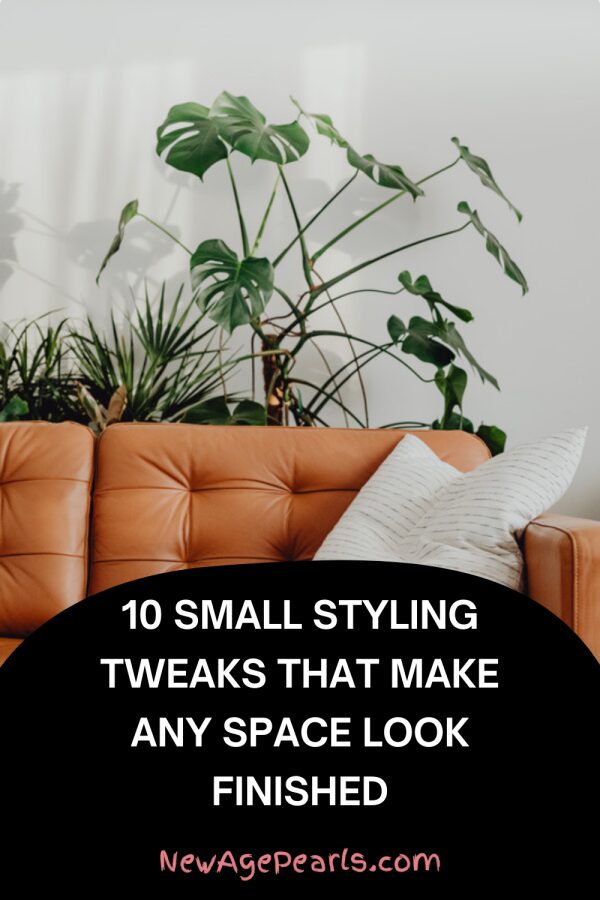
The difference between a room that feels complete and one that seems unfinished often comes down to subtle details most people overlook. These aren’t major renovations or expensive purchases—they’re small refinements that signal attention and care. When you implement these ten tweaks, your spaces shift from “almost there” to genuinely polished.
Edit Down Your Surfaces
Clutter is the enemy of finished-looking spaces. Clear your counters, tables, and shelves of everything except deliberate displays. Keep only items that serve a purpose or bring joy. This doesn’t mean sterile minimalism—it means intentionality. Each visible object should earn its place. A stack of beautiful books, a sculptural vase, a tray with essentials—these are deliberate choices. Random mail, yesterday’s coffee mug, and miscellaneous items make spaces feel chaotic and incomplete. Spend ten minutes editing each surface, removing anything that doesn’t contribute to the room’s story. This single change makes the biggest impact for zero cost.
Add Under-Furniture Lighting
This designer trick creates ambiance and makes spaces feel more sophisticated. LED strip lights under sofas, beds, and floating vanities create a soft glow that adds depth and warmth. This subtle lighting makes furniture appear to float and adds dimension to rooms. It’s especially effective in media rooms and bedrooms where you want mood without overhead harshness. Battery-operated or plug-in options are affordable and easy to install. The gentle illumination signals that someone thought about creating atmosphere, not just functionality.
Fluff and Arrange Your Pillows
Smashed, flat pillows broadcast neglect. Take two minutes to fluff throw pillows and arrange them thoughtfully. On sofas, use varying sizes—larger pillows in back corners, smaller ones in front. Turn pillows at slight angles rather than lining them up like soldiers. Stand back and adjust until the arrangement looks casual but intentional. Bedroom pillows should be plumped and properly stacked. This simple refresh makes furniture look cared for and rooms feel immediately tidier. Replace any pillows that have lost their shape—quality inserts make even budget covers look expensive.
Conceal Cords and Cables
Visible wires are visual clutter that cheapens otherwise beautiful spaces. Use cord concealers, cable management boxes, or velcro ties to organize and hide cables. Mount power strips behind furniture rather than leaving them visible. Run cables along baseboards or behind furniture legs. For table lamps, use cord covers that blend with walls or furniture. For mounted TVs, use in-wall cable kits or cord covers painted to match walls. This task takes minimal time but dramatically improves how finished rooms appear. Our brains register visible cables as incomplete—hiding them signals professionalism.
Style Your Books Thoughtfully
Books scattered randomly look messy; books arranged with intention look curated. Stack some horizontally, stand others vertically. Organize by color for visual impact or by size for cleaner lines. Face a few covers out to show interesting spines or artwork. Use bookends—decorative ones in metal, stone, or wood—to create sections. Don’t cram shelves full; leave some breathing room. Place small objects like vases or sculptures among books to break up the monotony. This transforms bookshelves from storage into design elements. Well-styled books suggest the owner values not just reading but presentation.
Hang Everything at Proper Height
Nothing telegraphs “amateur” like incorrectly hung items. Art should center at 57-60 inches from the floor. Curtain rods belong 2-3 inches below the ceiling, not just above windows. Mirrors should hang where they reflect something interesting, not blank walls. Wall sconces should sit 60-70 inches high. When items hang at correct heights, rooms feel balanced even if you can’t articulate why. Walk through with a level and measuring tape, adjusting anything that seems off. This precision signals professional attention to detail.
Add Trays to Corral Items
Trays instantly organize and elevate grouped items. On coffee tables, a tray holds remotes, coasters, and a candle, transforming scattered objects into a composed vignette. On bathroom counters, trays contain soaps and lotions, making necessities look deliberate. On ottomans, trays provide a stable surface for drinks and books. Choose trays in materials that complement your space—wood, marble, lacquer, or woven materials. The boundary a tray creates makes anything inside it look intentionally displayed rather than randomly placed. This simple addition costs little but provides instant polish.
Introduce Fresh Flowers or Greenery
Living elements make spaces feel current and cared for. Even a single stem in a bud vase signals attention and life. You don’t need elaborate arrangements—grocery store flowers in a simple vase or clippings from your yard work beautifully. Change water regularly and replace blooms before they wilt. If fresh flowers feel high-maintenance, invest in quality faux stems—modern options look remarkably real. Plants work too, but flowers provide seasonal variety and immediate impact. This weekly refresh keeps spaces feeling dynamic rather than static.
Ensure Consistent Bulb Temperature
Mismatched bulb colors—some warm, some cool, some daylight—make spaces feel disjointed and unfinished. Replace all bulbs in connected spaces with the same color temperature. For most homes, 2700K-3000K (soft white/warm white) creates inviting warmth. Go through each room and replace any bulbs that don’t match. This consistency in lighting makes spaces feel cohesive and professionally considered. The difference is subtle but significant—uniform light temperature ties rooms together visually.
Add One Oversized Element
Rooms full of small objects feel busy and unfinished. Introduce one substantial piece—a large mirror, an oversized plant, a statement light fixture, or a big piece of art. This anchor gives the eye somewhere to rest and makes the space feel deliberate. The oversized element provides visual weight that grounds the room and suggests confidence in design choices. It’s the difference between a room that whispers and one that speaks clearly. Choose something that reflects your style and let it command attention.
These ten tweaks require minimal investment but deliver maximum polish. Together, they create the refined, intentional feeling that separates thoughtfully designed spaces from rooms that just happen. The beauty of these changes is their accessibility—anyone can implement them immediately, transforming unfinished spaces into rooms that feel complete and considered.

Leave a Reply