
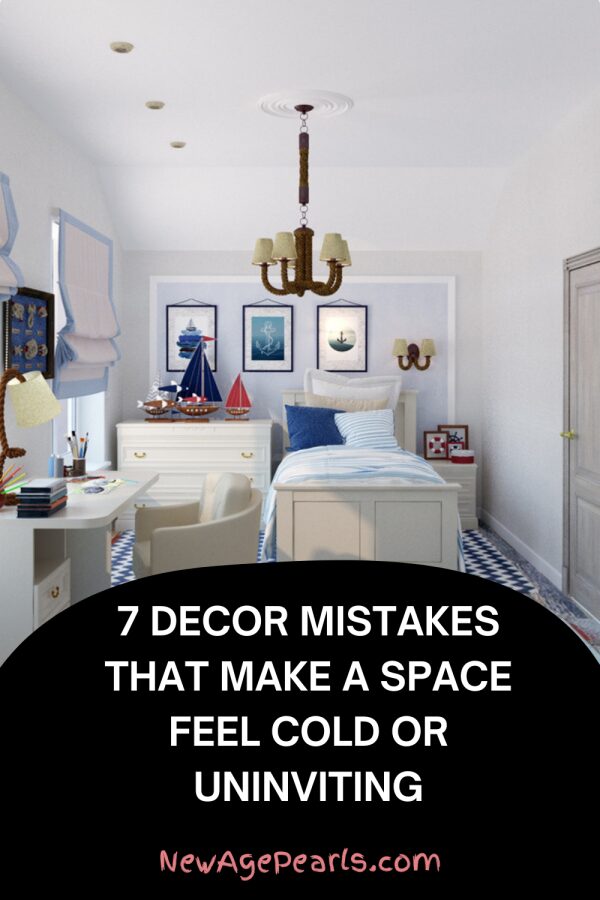
Over the years, I’ve found that some rooms, despite looking perfectly fine in photos, will still feel uncomfortable and unwelcoming when I check them out in person. They’re well-furnished and properly arranged, but something intangible keeps them from feeling like places I want to settle into.
In my experience, usually, these spaces suffer from one or more mistakes that create emotional distance rather than warmth–They kinda feel like hospital rooms.. sterile. Understanding these seven pitfalls helps you diagnose why rooms feel off and transform them into genuinely inviting environments.
Too Much Hard, Cold Material
Spaces dominated by hard surfaces—metal, glass, marble, concrete—lack the softness humans need to feel comfortable. While these materials look sophisticated, too much creates a cold, institutional feel. Our bodies respond to tactile cues; when everything is hard and cool to the touch, we instinctively feel less relaxed. Balance hard materials with soft textiles: area rugs, throw pillows, upholstered furniture, curtains. Wood adds warmth that other hard materials lack. Include materials that invite touch—velvet, linen, wool—that contrast with slick surfaces. When you can imagine comfortably touching most surfaces in a room, it will feel warmer.
Inadequate or Harsh Lighting
Bright, cool overhead lighting creates the feeling of a waiting room rather than a home. Spaces that rely solely on ceiling fixtures lack the warmth and dimension that make rooms inviting. Harsh lighting flattens spaces and creates unflattering shadows. Add multiple light sources at various heights—table lamps, floor lamps, sconces. Use warm bulbs (2700K-3000K) that cast a golden glow. Install dimmers to control intensity. Ensure some areas are softly lit rather than uniformly bright. Layered, warm lighting is perhaps the single most important factor in creating emotional warmth. Rooms with gentle, varied lighting always feel more inviting than those with single, bright sources.
All-White or Very Cool Color Palette
While minimalist white spaces photograph beautifully, they can feel sterile and unwelcoming in person, especially in cool or neutral light. Rooms dominated by grays, whites, and blacks without warm accents lack emotional warmth. Cool colors recede psychologically, creating distance. Introduce warm tones: rust, terracotta, warm wood, brass, camel, sage, or warm beige. These don’t need to dominate—even warm-toned accessories, art, or wood furniture can warm up cool palettes. Natural wood is particularly effective at adding warmth to cold color schemes. The goal isn’t to eliminate cool colors but to balance them with elements that provide psychological warmth.
No Evidence of Life or Personality
Spaces that look staged rather than lived-in feel cold because they lack human presence. When rooms show no evidence that real people with real interests inhabit them, they feel more like hotel lobbies than homes. Include personal elements: books you actually read, hobbies visible in displays, family photos, collected objects. Leave some evidence of use—reading glasses on a side table, a throw draped casually, a coffee table with current magazines. Perfection feels cold; slight imperfection feels human and warm. Your home should tell your story, not look like it’s waiting for a photo shoot.
Furniture Scaled Too Small or Arranged Too Formally
Delicate furniture or pieces pushed against walls in formal arrangements create distance rather than intimacy. Small-scaled furniture feels uninviting because it doesn’t look comfortable for actual use. Formal arrangements where seating faces forward in rows rather than creating conversation groupings prevent connection. Choose substantial, comfortable-looking furniture that invites settling in. Float furniture to create intimate groupings where people can face each other. Arrange seating at comfortable distances for conversation. Furniture should look like it’s meant for lounging, not perching. When furniture invites physical comfort, spaces feel emotionally warmer.
Lack of Texture and Layering
Flat, uniform surfaces without variation in texture create visual and emotional coldness. When everything is smooth and similar in finish, rooms lack depth and interest. Layer different textures: nubby linen curtains, smooth leather chairs, rough jute rugs, soft velvet pillows, matte painted walls, glossy ceramic vases. This textural variety creates richness that engages the eye and suggests physical comfort. Our brains equate textural variety with complexity and warmth. Monochromatic, single-texture spaces feel cold even when the color is warm. Adding texture is often the missing element in spaces that feel uninviting.
No Organic or Living Elements
Rooms without plants, natural materials, or organic shapes feel sterile and disconnected from nature. Humans are biologically drawn to natural elements; their absence creates subtle discomfort. Add living plants—even low-maintenance options like pothos or snake plants. Include wood in furniture or accessories. Display natural materials like stone, woven baskets, or dried branches. Choose some furniture with organic, curved lines rather than all angular pieces. These natural elements provide visual warmth and psychological comfort. They signal that life exists in the space, not just objects. Even one substantial plant can transform a cold room into a warm one.
These seven mistakes often appear together, compounding each other’s effect. A room with harsh lighting, no soft textiles, and no personal objects feels profoundly uninviting. But addressing even one or two of these issues significantly improves how welcoming a space feels. Start with lighting—it’s the fastest way to warm up a cold space. Swap cool bulbs for warm ones, add a few lamps, and suddenly the room feels different. Then tackle textiles, adding throws and pillows that invite touch. Finally, bring in living elements and personal objects that signal habitation.
The goal isn’t to abandon minimalism or clean aesthetics if that’s your style. You can maintain visual simplicity while adding warmth through careful material and lighting choices. A minimalist room with warm lighting, natural wood, soft textiles, and one beautiful plant feels completely different from a minimalist room with only hard, cool surfaces and bright overhead light. The level of visual clutter remains the same, but the emotional warmth increases dramatically.
Pay attention to how rooms make you feel. If you avoid spending time in a space despite it looking objectively nice, it’s likely suffering from one or more of these mistakes. Our bodies and minds respond to our environments in ways we don’t always consciously recognize. Cold, unwelcoming spaces create subtle stress even if we can’t pinpoint why. Warm, inviting spaces help us relax and recharge. Making your home feel welcoming isn’t just about aesthetics—it’s about creating an environment that supports your wellbeing.
Leave a Reply