
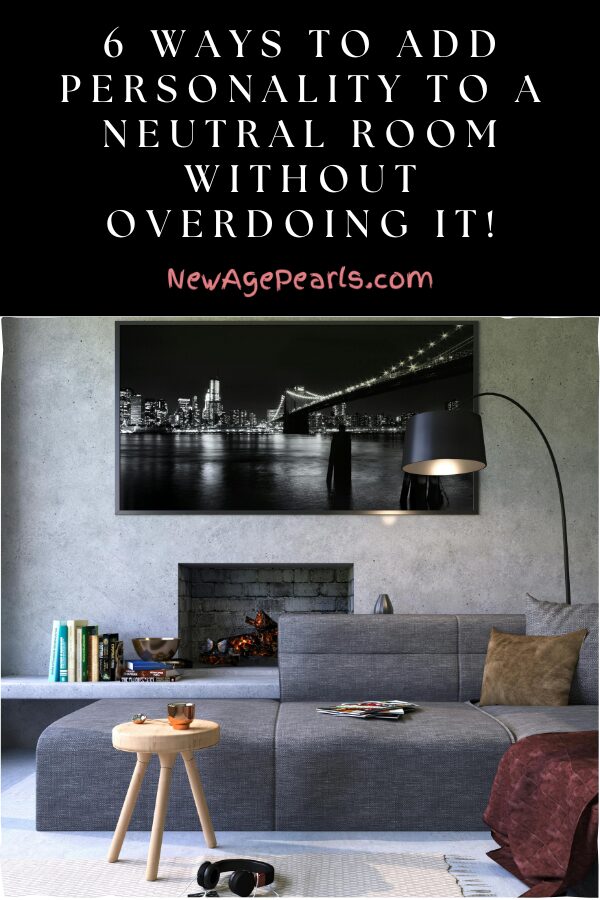
I absolutely live for bringing my personality to each room in a home. Why? Because there are so many sides to it. Some days I may feel red hot and want to be in a lively bright setting– but when I’m cooking I typically find that I prefer a lively environment, as you can see in old kitchen below:
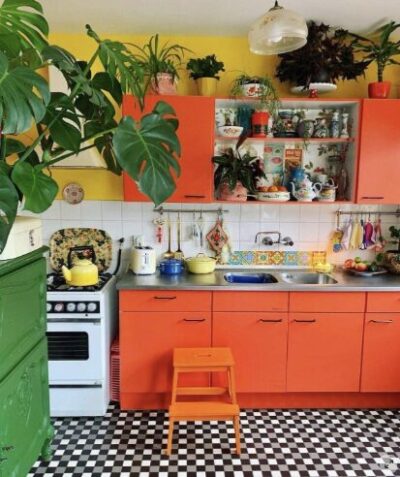
To some, this may be a lot for the kitchen, but to me, it’s just enough and makes me feel eager to cook more. On most days, I’m usually relaxed and will often prefer a pale or neutral-colored environment. So when I go to chow or cook, I like to switch things up a bit.
Neutral rooms offer a serene, sophisticated canvas, but they can easily slip into bland territory if not layered with personality. The challenge is adding character without abandoning the calm restraint that made neutrals appealing in the first place. These six strategies inject life and individuality into neutral spaces while maintaining the peaceful aesthetic you’re after.
Introduce Texture Everywhere
Don’t be afraid of overdoing it in terms of texture. I find that when color is restrained, texture becomes your primary tool for creating interest. Layer different materials throughout your space—smooth surfaces next to rough ones, soft fabrics alongside hard edges. Think chunky knit throws over smooth leather sofas, nubby linen curtains against painted walls, woven baskets beside ceramic vases. Incorporate materials with inherent texture: jute rugs, boucle upholstery, raw wood, hammered metal, matte stone.
The play of light across varied textures creates depth and visual intrigue that color would otherwise provide. Your room remains neutral in palette but becomes rich in dimension. The key is using multiple textures in each space—not just one textured pillow, but a collection of different materials that relate to each other.
Display Collections with Intention
Personal collections transform neutral spaces from generic to individual. Whether you collect vintage cameras, pottery, or antique books, displaying these items adds personality that’s authentically yours. The key is edited presentation—choose your favorite pieces rather than showing everything. Group similar items together for impact rather than scattering them. Use a beautiful bookshelf, floating shelves, or a display cabinet as a stage.
In neutral rooms, your collections become focal points that reveal your interests and history. This works because the restraint of the background makes your personal items stand out clearly. Your collected objects don’t need to match your color scheme—in fact, their slight departure adds welcome visual interest.
Incorporate One Bold Art Piece
A single statement artwork can transform a neutral room without overwhelming it. Choose a piece with meaning to you—something that makes you pause, think, or feel. This might be a large abstract painting with subtle color, a dramatic black-and-white photograph, or a colorful piece that brings energy. In neutral rooms, art doesn’t compete with other elements; it commands attention. Size matters here—go larger than feels comfortable. The art should be substantial enough to anchor a wall and provide a focal point. Frame it simply to let the work itself shine. This approach gives your room personality without requiring you to commit to a full color scheme.
Layer Lived-In Details
Neutral rooms risk feeling staged if they lack evidence of actual life. Counter this by including items that suggest use and habitation. Stack books on coffee tables with a pair of reading glasses nearby. Drape a linen throw casually over a chair arm. Place a beautiful tray with coffee mugs on an ottoman. Keep fresh flowers or a bowl of fruit visible. These lived-in touches make spaces feel warm and personal rather than show-ready. The key is authenticity, so try to include items you actually use, not props. This approach works in neutral rooms because these small, imperfect details contrast beautifully with the controlled palette, creating a sense of real life within an edited space.
Choose Unique Furniture Silhouettes
When everything is neutral, the shapes of your furniture become more prominent. Take advantage of this by selecting pieces with interesting forms. A sculptural chair, a coffee table with an unusual base, a curved sofa—these silhouettes add personality through form rather than color. Look for vintage or antique pieces with character, or invest in one designer item with distinctive lines. Even something as simple as a round mirror instead of rectangular, or a pedestal table instead of four legs, creates visual interest. In neutral rooms, your eye travels across shapes and forms, so make them worth looking at. This strategy adds personality without introducing color or pattern, maintaining your neutral foundation.
Integrate Natural Elements
Bringing the outside in adds organic personality that feels fresh rather than decorated. Large-scale plants, branches in vases, bowls of stones, driftwood sculptures—these natural elements introduce life and texture. They also add subtle color that complements rather than competes with neutral palettes—the green of plants, the brown of wood, the gray of stone. Natural elements feel personal because you’ve chosen which specific pieces to bring into your home. A fiddle leaf fig in the corner, eucalyptus stems in a vase, or a wooden bowl of pinecones—these touches make spaces feel curated and lived-in. The organic quality of natural materials also provides welcome imperfection in otherwise controlled spaces, adding warmth and approachability.
These six strategies share a common thread: they add personality through depth, texture, and meaning rather than through color or pattern. Your neutral room remains calm and cohesive, but it gains layers that make it uniquely yours. The restraint of the palette actually amplifies these personal touches, making them stand out more clearly than they would in a busy, colorful space. This is the paradox of neutral decorating—less color means more opportunity for personality to shine through.


Leave a Reply