
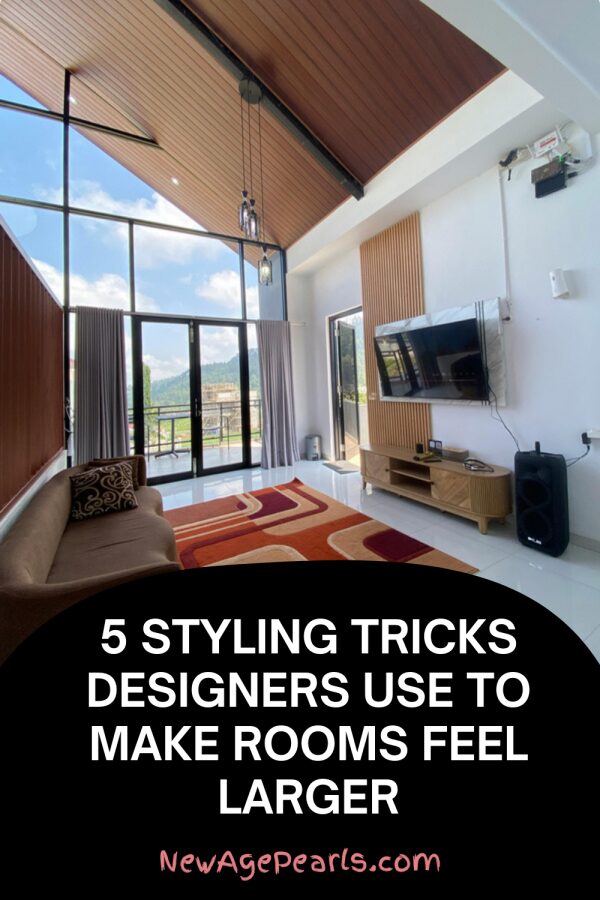
You know the feeling—you’ve arranged furniture, hung art, and added decorative touches, but something about the room still doesn’t work. It feels awkward, unfinished, or just slightly wrong in ways you can’t articulate. Often, these frustrations stem from a handful of common decorating mistakes that subtly undermine your efforts. Understanding these pitfalls helps you diagnose what’s not working and make targeted fixes.
Furniture Pushed Against Every Wall
This is perhaps the most common mistake in room arrangement. When every piece of furniture hugs the perimeter, rooms feel stiff, awkward, and disconnected. This layout worked in formal parlors where people perched on seats they didn’t use daily, but in modern living spaces, it creates dead zones in the center and makes conversation difficult.
The fix: Float your furniture. Pull your sofa away from the wall by even 12-18 inches. Create conversation areas where seating faces each other rather than the walls. Use area rugs to define zones and anchor furniture groupings. This approach creates intimacy, improves flow, and makes rooms feel more dynamic and intentional. The middle of the room should be active space, not empty territory you walk across.
Wrong-Sized Area Rugs
Few things make a room feel more disjointed than a too-small area rug. When a rug is undersized, it creates visual fragmentation—furniture appears to float awkwardly, and the space lacks cohesion. Conversely, rugs that completely cover floors make rooms feel cluttered and heavy.
The fix: In living rooms, all furniture should have at least its front legs on the rug. Ideally, all pieces sit fully on the rug, but at minimum, your sofa and chairs should connect to it. In dining rooms, ensure the rug extends at least 24 inches beyond the table on all sides so chairs remain on the rug when pulled out. In bedrooms, rugs should extend 18-24 inches beyond the sides and foot of the bed. The right-sized rug unifies furniture groupings and defines spaces without overwhelming them. When in doubt, size up—you can layer a smaller rug on top if needed.
Everything Matches Too Perfectly
Ironically, trying too hard to coordinate everything can make rooms feel flat and catalog-like rather than collected and personal. When every piece comes from the same collection or matches exactly, spaces lack the depth and character that make them interesting.
The fix: Embrace variation within a cohesive palette. Choose a color story of 3-4 colors, then vary the shades, patterns, and textures within that story. Mix wood tones rather than matching them. Combine different metals. Layer patterns at different scales. The goal is harmony, not uniformity. Your sofa, chairs, and accent pieces should relate to each other without being identical. This approach creates visual interest while maintaining cohesion. Include items with history—vintage finds, inherited pieces, or handmade objects—that break up the “everything was bought last Tuesday” look.
Poor Lighting Planning
Relying solely on overhead lighting is one of the fastest ways to make a room feel cold and institutional. Single-source lighting creates harsh shadows, flattens dimensions, and eliminates the warmth that makes spaces inviting.
The fix: Layer your lighting with multiple sources at different heights. Combine ambient (overhead), task (reading lamps, under-cabinet lights), and accent (table lamps, picture lights) lighting. Aim for at least three light sources in every room. Place lamps at different heights—floor lamps, table lamps, and wall sconces create depth. Use warm bulbs (2700-3000K) to add coziness. Install dimmers wherever possible to adjust mood. The goal is to eliminate harsh overhead glare while ensuring you can illuminate different areas for different activities. Well-lit rooms feel finished, functional, and far more expensive.
Everything Hung at the Wrong Height
Art positioned too high, curtains hung too low, and mirrors placed at awkward heights disrupt visual flow and make spaces feel off-balance. These mistakes are incredibly common and significantly impact how rooms feel, yet they’re easy to overlook because we’re accustomed to seeing them.
The fix: Follow these guidelines: Hang art so the center sits at eye level (57-60 inches from the floor). Mount curtain rods as close to the ceiling as possible, not just above the window frame—this makes ceilings appear taller. Hang mirrors where they’ll reflect something beautiful, not blank walls or ceilings. Place wall sconces 60-70 inches from the floor. Ensure your TV is mounted so the center aligns with eye level when you’re seated. Light switches should sit at 48 inches. These measurements create visual harmony and make rooms feel properly proportioned. When elements hang at correct heights, everything flows naturally, even if you can’t articulate why it works.
These five mistakes are responsible for many “off” feelings in decorated spaces. The good news is that each has a straightforward fix that doesn’t require starting over or spending significantly. Often, simply rearranging existing pieces, adjusting heights, or adding strategic lighting transforms a room from awkward to composed. Pay attention to these fundamentals, and your spaces will feel balanced, intentional, and complete—exactly what you were aiming for all along.
Leave a Reply